Solar comfort

Treat heat at the glass—and in the way the room is used.

Interior shades can improve comfort when deployed, while properly selected window film addresses solar exposure at the glass without relying on daily operation. Results vary with glazing, orientation, material, and building conditions.

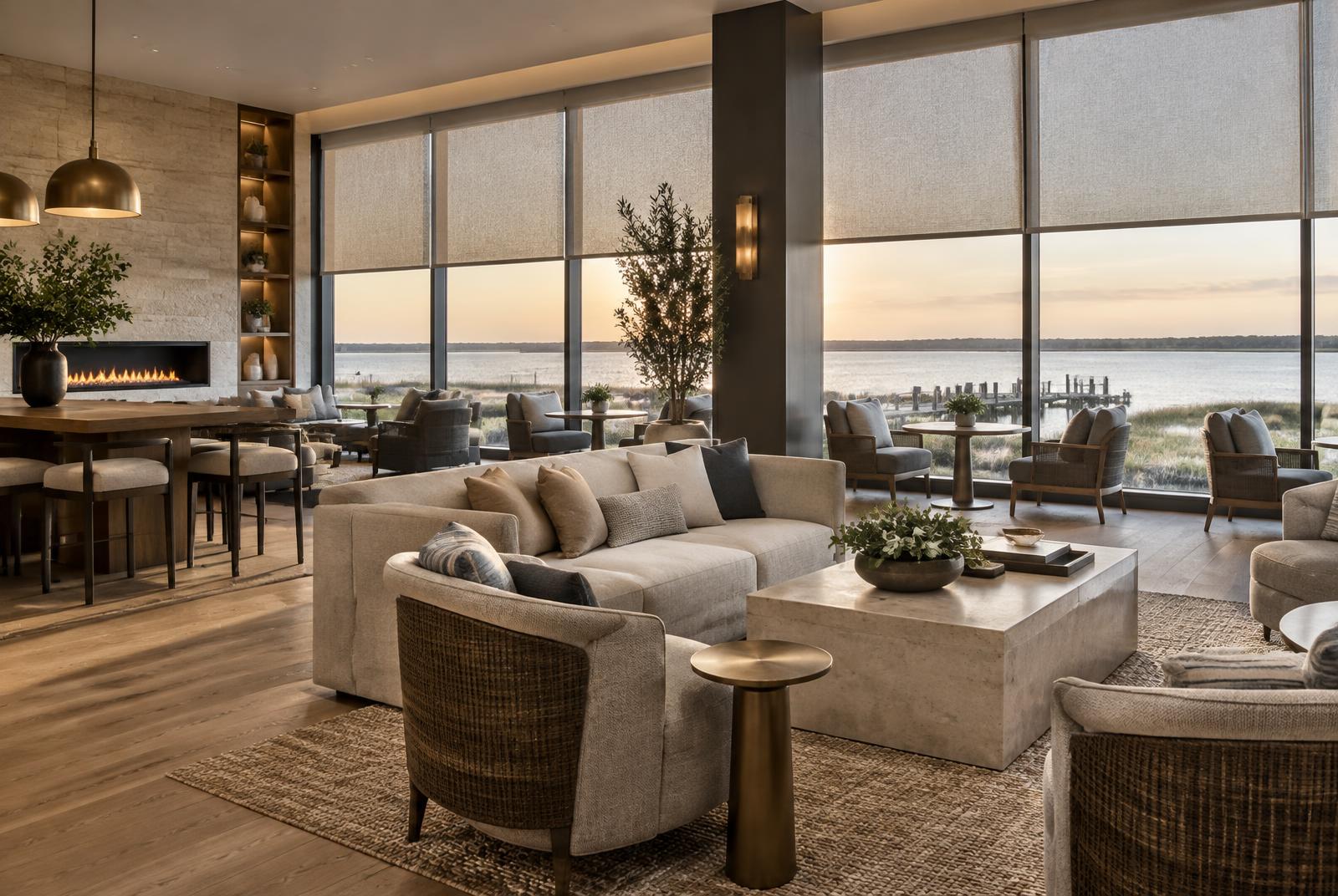
Solar shades moderating afternoon exposure across broad glass

The essential details

Make the decision from the goal backward.

01

Interior treatments

Reflective or opaque materials can reduce direct interior exposure while closed, but they also change view and daylight.
02

Window film

Film can be effective where solar control should remain active while preserving an open window; glass compatibility matters.

03

Automation

Schedules help shades arrive before peak exposure rather than after the room is already uncomfortable.

A strong fit

Consider this when…

  • West- and south-facing glass
  • Large coastal windows
  • Commercial façades and occupied work areas

Look again

Another answer may be better when…

  • Guaranteed energy-savings claims
  • One fabric used regardless of orientation
  • Ignoring HVAC, glass, and envelope conditions

Specification notes

Details that change the result.

Timing

Peak discomfort may be seasonal and limited to a few hours.

View

Balance the desire to see out with how much openness the solution allows.

Combination

Film plus an operable shade can divide baseline solar control from privacy or blackout.

From the field · Real window conditions

What the glass actually looks like.

These photos are from Shore Tint & More glazing and window-film jobs, Delaware Shade Co.’s sister brand. They are not Delaware Shade Co. shade or blind installations.
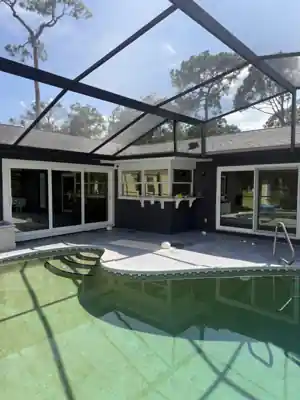
Screened pool enclosure over a swimming pool with sliding glass doors and large surrounding glass panels, from a Shore Tint & More window-film job

Indoor pool and enclosure glazing

Large enclosure glass concentrates heat and glare, and humidity limits which interior materials make sense.

On large, humid, sun-exposed glass, film often does the always-on work; any treatment must be chosen for moisture as well as light.

From the journal

Read the decision in more depth.

Product Comparisons · 7 min

Cellular Shades: Are They Really More Energy Efficient?

The cells add a real layer at the glass, but the installed fit and how often the shade is used determine what the room experiences.Read the guide

Film + Treatments · 7 min

What Window Treatments Protect Furniture and Floors From Fading?

Fading has more than one cause. The strongest strategy reduces cumulative exposure without pretending change can be eliminated.Read the guide

Film + Treatments · 8 min

Window Film vs Shades for Heat and Glare: Which Is Better?

For constant exposure, work at the glass. For changing human needs, use an operable layer. Often, specify both.Read the guide

Frequently asked

A few useful answers.

Do shades reduce heat?+

Closed shades can improve perceived comfort and reduce direct exposure, but outcomes depend on the complete window and room.

Is film better than a shade for heat?+

Film stays active without covering the view; shades are adjustable and can add privacy. Some projects benefit from both.

Can you guarantee lower energy bills?+

No. Energy use depends on the building, weather, systems, behavior, and chosen products.

Private, in-person guidance

See the material in your own light.

Request a consultation