Glare control

Reduce glare without defaulting to darkness.

Start with where glare lands and when. Solar shades preserve a filtered view, blinds redirect light, opaque shades stop it, and film can reduce persistent glare without covering the glass.

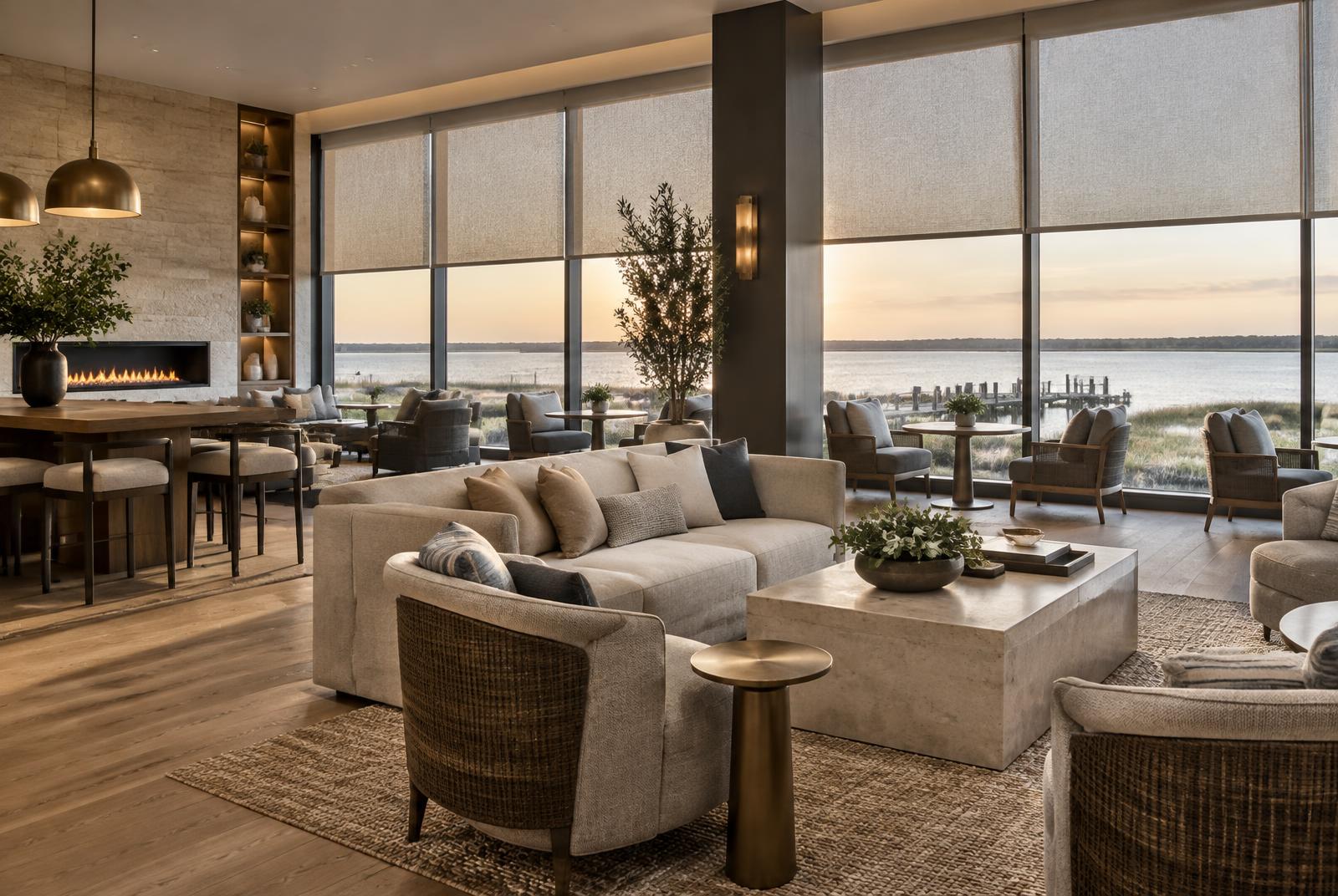
Solar shades reducing glare in a waterfront lounge

The essential details

Make the decision from the goal backward.

01

Screens and work

A solar fabric or adjustable blind can reduce contrast while keeping usable daylight.
02

View-sensitive rooms

Film can address ongoing glare while leaving glass visually open; shades add stronger control for peak hours.

03

Automation

Scheduled shade positions can respond consistently to predictable afternoon or seasonal glare.

A strong fit

Consider this when…

  • Home offices and media spaces
  • Waterfront views
  • Commercial screens and meeting rooms

Look again

Another answer may be better when…

  • One universal fabric on every orientation
  • Blackout where the actual goal is only screen comfort
  • Film when adjustable darkness is required

Specification notes

Details that change the result.

Orientation

Morning and afternoon sun create different angles and durations.

Fabric color

Solar fabric color affects view, reflectance, and perceived brightness.

Combined strategy

Film plus motorized solar or blackout shades can separate everyday comfort from occasional darkness.

For commercial projects

Specifying this for an office, school, healthcare, or hospitality project? Office window shades

From the field · Real window conditions

What the glass actually looks like.

These photos are from Shore Tint & More glazing and window-film jobs, Delaware Shade Co.’s sister brand. They are not Delaware Shade Co. shade or blind installations.
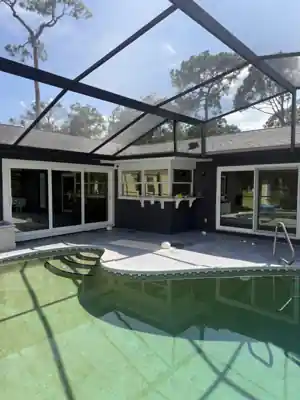
Screened pool enclosure over a swimming pool with sliding glass doors and large surrounding glass panels, from a Shore Tint & More window-film job

Indoor pool and enclosure glazing

Large enclosure glass concentrates heat and glare, and humidity limits which interior materials make sense.

On large, humid, sun-exposed glass, film often does the always-on work; any treatment must be chosen for moisture as well as light.

From the journal

Read the decision in more depth.

Film + Treatments · 8 min

Solar Shades vs Window Film

Film works at the glass all day. A solar shade changes position. That difference shapes nearly every tradeoff.Read the guide

Room & Window Type · 6 min

Best Window Treatments for Home Offices

The goal is not a dark office. It is balanced brightness between the screen, desk, and window.Read the guide

Film + Treatments · 8 min

Window Film vs Shades for Heat and Glare: Which Is Better?

For constant exposure, work at the glass. For changing human needs, use an operable layer. Often, specify both.Read the guide

Frequently asked

A few useful answers.

What is best for computer glare?+

It depends on window direction and screen position; solar shades, blinds, and film are common starting points.

Will solar shades remove all glare?+

No fabric guarantees that in every condition. Openness, color, sun angle, and screen position matter.

Can window film preserve the view?+

Many solar films are designed to reduce glare and exposure while keeping the glass open, though appearance and performance vary.

Private, in-person guidance

See the material in your own light.

Request a consultation